Urban Cool Homes Blogs

July 8, 2024

Understanding Eligibility Criteria for Reverse Mortgages

Key Takeaways:

  • To qualify for a reverse mortgage, you must be at least 62 years old, own your home, and demonstrate the ability to maintain the property and pay ongoing expenses.
  • Reverse mortgages provide homeowners access to home equity without monthly mortgage payments, offering financial relief and flexibility during retirement.
  • There are different types of reverse mortgages, including HECMs, proprietary, and single-purpose loans, each with specific benefits and eligibility requirements.

Are you curious about reverse mortgages but unsure if you qualify? You're not alone. Many homeowners like you are exploring this option to make the most of their home equity.

As a real estate agent with five years of experience, I understand the importance of clear, straightforward information. 

In this blog, I'll walk you through the basic eligibility criteria for reverse mortgages, so you can determine if this option is right for you. Let's dive in and make sense of it all, together.

What is a Reverse Mortgage and How Does It Work?
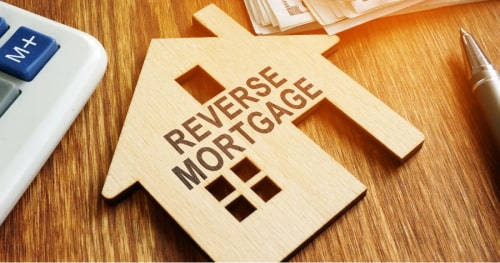
Reverse Mortgage

A reverse mortgage allows homeowners 62 and older to access their home’s equity without selling or moving out. Let's explore the basics, how it works, and the different types.

Reverse Mortgage Basics

reverse mortgage is a loan for homeowners 62 or older that allows them to convert part of their home equity into cash. Unlike a traditional mortgage, you don’t make monthly payments. Instead, the loan is repaid when you sell the home, move out, or pass away.

How Reverse Mortgages Work

With a reverse mortgage, the lender pays you. You can receive the money as a lump sum, monthly payments, or a line of credit. The amount you get depends on your age, home value, and interest rates.

The loan balance grows over time, and you keep the title to your home.

Types of Reverse Mortgages

There are three main types:

  1. Home Equity Conversion Mortgages (HECMs): The most common, backed by the federal government.
  2. Proprietary Reverse Mortgages: Private loans for higher-value homes.
  3. Single-Purpose Reverse Mortgages: Offered by some state and local agencies for specific purposes, like home repairs.

These options give you flexibility based on your needs and home value.

Eligibility Requirements for Reverse Mortgages
Reverse Mortgage Requirements

To see if you qualify for a reverse mortgage, you need to meet specific age, income, and property criteria. Let’s break down these requirements.

Age Requirement for a Reverse Mortgage

To qualify for a reverse mortgage, you must be at least 62 years old. This age requirement ensures that the loan is designed to cater to seniors who need financial flexibility during retirement.

By setting this age limit, reverse mortgages aim to provide older homeowners with an additional income stream without the burden of monthly mortgage payments.

Income Requirements for a Reverse Mortgage

There are no specific income requirements for a reverse mortgage, meaning you don't need to have a minimum income to qualify. However, you must demonstrate that you have the financial capability to cover ongoing property-related expenses such as property taxes, homeowners insurance, and maintenance costs.

This ensures that you can maintain the home and meet your obligations, protecting both you and the lender.

Property Eligibility for a Reverse Mortgage

To be eligible for a reverse mortgage, your home must be your primary residence and meet certain standards set by the lender. Eligible properties typically include single-family homes, some condominiums, and multi-family homes with up to four units.

The property must be in good condition and meet the required safety and livability standards to qualify for the loan. This ensures that the home remains a safe and viable asset throughout the term of the reverse mortgage.

Financial Aspects of Reverse Mortgages

Understanding the financial aspects of reverse mortgages is crucial. Here’s a quick look at mortgage insurance, payment obligations, and your responsibilities for taxes and insurance.

Understanding Mortgage Insurance and Premiums

Mortgage insurance protects the lender if the loan balance exceeds the home value. You'll pay an upfront premium and ongoing monthly premiums.

Monthly Mortgage Payment Obligations

With a reverse mortgage, you don't make monthly mortgage payments. Instead, the loan balance grows as interest and fees are added.

Taxes and Insurance Responsibilities

You're still responsible for paying property taxes, homeowners insurance, and home maintenance. Failure to do so can result in loan default.

Related Post:

How Can You Do A Reverse Mortgage On A Mobile Home?

How Can You Get a Reverse Mortgage on a Manufactured Home?

How Does a Reverse Mortgage Work in Kansas?

Can You Negotiate a Reverse Mortgage Payoff?

Is Reverse Mortgage Taxable Income?

Can You Get a Reverse Mortgage on a Condo?

How To Apply for a Reverse Mortgage Loan here.

What is a Jumbo Reverse Mortgage Loan?

Reverse Mortgage fees and costs.

The Impact of Reverse Mortgages on Inheritance

How To Use Reverse Mortgage Proceeds

How To Maintain Your Home With A Reverse Mortgage

Final Thoughts

Understanding the eligibility criteria for a reverse mortgage is essential for determining if it's the right option for you. In this blog, we covered what a reverse mortgage is, how it works, the different types available, and the key requirements regarding age, income, and property.

Reverse mortgages can provide financial flexibility for seniors, but it's important to meet the necessary criteria and understand the financial responsibilities involved.

If you have any questions or need further assistance, don't hesitate to reach out.


Frequently Asked Questions(FAQs)

What is a HECM?

HECM stands for Home Equity Conversion Mortgage. It is the most common type of reverse mortgage and is backed by the Department of Housing and Urban Development (HUD).

How Does a Borrower Take Out a Reverse Mortgage?

To take out a reverse mortgage, a borrower must apply through a lender approved by HUD. The lender will evaluate qualifications and guide the borrower through the process.

What is the Role of HUD in Reverse Mortgages?

The Department of Housing and Urban Development (HUD) oversees the HECM program, ensuring that lenders follow federal guidelines and protect borrowers' interests.

What is a Mortgage Insurance Premium in a Reverse Mortgage?

The home loan insurance premium protects the lender if the loan balance exceeds the home's value. Borrowers pay this premium upfront and as part of their ongoing costs.

Can I Use a Reverse Mortgage to Pay Off an Existing Home Loan?

Yes, you can use a reverse mortgage to pay off an existing home loan, freeing you from monthly mortgage payments and possibly providing additional cash.

What Happens to the Mortgage Balance Over Time?

The mortgage balance of a reverse mortgage grows over time as interest and fees are added. Borrowers don't make monthly payments; the loan is repaid when the home is sold or the borrower moves out or passes away.

What is the Difference Between a Home Equity Loan and a Reverse Mortgage?

A home equity loan requires monthly payments and is based on creditworthiness. A reverse mortgage provides payments to the borrower and does not require monthly payments, as it is based on the home's equity.

Can I Get a Reverse Mortgage with a Home Equity Line of Credit?

A reverse mortgage can be an alternative to a home equity line of credit (HELOC) if you are 62 or older and prefer to receive payments instead of making them.

What is the Most Common Type of Reverse Mortgage?

The most common type of reverse mortgage is the HECM, backed by the federal government through HUD.

How Do I Use a Reverse Mortgage to Pay for Retirement Expenses?


You can use a reverse mortgage to pay for various retirement expenses, such as healthcare, home improvements, or supplementing your income, giving you financial flexibility in your later years.

Posted in Home Owners
July 5, 2024

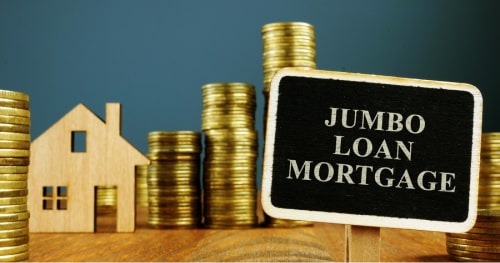
Exploring the World of Jumbo Reverse Mortgages Loan

Key Takeaways:

  • Jumbo reverse mortgages enable homeowners with properties valued over $1 million to access significant equity, offering higher loan amounts than traditional reverse mortgages.
  • Borrowers can choose to receive funds as a lump sum, monthly payments, or a line of credit, with no monthly mortgage payments required, as the loan is repaid upon selling the home or moving out.
  • While offering substantial funds, jumbo reverse mortgages have higher fees and interest rates. They also reduce home equity, potentially affecting inheritance for heirs.

Are you curious about how to unlock more value from your high-value home? As a real estate agent with five years of experience, I understand how important it is to make informed decisions about your financial future.

Jumbo reverse mortgages can offer a unique solution, especially if you own a valuable property. In this blog, we'll break down what it is, its benefits, and potential drawbacks.

Let's explore this together and see if it might be your best option.  Learn more about reverse mortgages here.

What is a Jumbo Reverse Mortgage?

Jumbo Reverse Mortgage

This might be for you if you have a high-value home and want to access its equity. Before choosing one, let's explore what it is, its key features, and what to consider. Learn more here.

Understanding the Basics of Jumbo Reverse Mortgages

It is a special type of loan designed for homeowners with high-value properties, typically worth over $1 million. Unlike traditional reverse mortgages, which have lower limits, it allows you to borrow more money based on your home's value.

Key Features and Benefits of Jumbo Reverse Mortgages

  1. Higher Loan Amounts: You can access a larger portion of your home's equity, making it ideal if you need substantial funds.
  2. No Monthly Payments: Like standard reverse mortgages, you don't have to make monthly payments. The loan is repaid when you sell the home or move out.
  3. Flexible Payout Options: Choose how you receive the money – lump sum, monthly payments, or a line of credit.

Factors to Consider Before Opting for a Jumbo Reverse Mortgage

  1. Higher Costs: Fees and interest rates might be higher than those for regular reverse mortgages.
  2. Impact on Inheritance: The loan reduces the equity left in your home, which might affect what you leave to your heirs.
  3. Eligibility Requirements: Ensure you meet the age and home value criteria and understand the long-term commitment.

How Does a Jumbo Reverse Mortgage Work?

How Does a Jumbo Reverse Mortgage Work

It lets you borrow money based on your home's high value. You receive funds without making monthly payments, and the loan is repaid when you sell the home or move out.  Learn more about how it works here.

Comparing Jumbo Reverse Mortgages to Traditional Options

Unlike traditional reverse mortgages with lower borrowing limits, it offers higher loan amounts. This makes them ideal for homeowners with properties worth over $1 million.

Exploring Loan Limits and Eligibility Criteria

To qualify for a jumbo reverse mortgage, your home must have a high value, typically over $1 million. You must also meet age and residency requirements, usually being at least 62 years old and living in the home.

Using a Jumbo Reverse Mortgage Calculator for Financial Planning

A premium reverse mortgage calculator helps you estimate how much you can borrow. By inputting your home's value, age, and current interest rates, you can see potential loan amounts and plan your finances accordingly.

Pros and Cons of Jumbo Reverse Mortgages

Pros and Cons of Jumbo Reverse Mortgages

Deciding on a premium reverse mortgage is a big decision. It's important to understand both the benefits and the potential drawbacks. Here, we'll break down the key pros and cons to help you make an informed choice.

Pros of a Jumbo Reverse Mortgage for Homeowners

  1. Access to Higher Equity: Borrow larger amounts due to your home's high value.
  2. No Monthly Payments: No need to make monthly mortgage payments; the loan is repaid when you sell or leave the home.
  3. Flexible Payout Options: Choose how you receive the funds, such as a lump sum, monthly payments, or a line of credit.

Cons of A Jumbo Reverse Mortgages

  1. Higher Costs: Fees and interest rates can be higher compared to standard reverse mortgages.
  2. Impact on Inheritance: The loan reduces the equity in your home, which may affect what you leave to your heirs.
  3. Eligibility Requirements: Stricter criteria, including high home value and age requirements, may limit eligibility.

Requirements and Qualifications for a Jumbo Reverse Mortgage

Qualifying Criteria and Documentation Needed

To qualify for a premium reverse mortgage, you must meet certain criteria:

  • Age: Typically, you need to be at least 62 years old.
  • Home Value: Your home must have a high market value, usually over $1 million.
  • Residency: You must live in the home as your primary residence.

You'll need to provide documentation such as proof of age, home value appraisal, and residency verification.

Understanding Mortgage Insurance Premiums for Jumbo Reverse Mortgages

Mortgage insurance premiums for premium reverse mortgages can be higher than those for traditional reverse mortgages. This insurance protects the lender if the loan balance exceeds the home's value when it's sold.

Be prepared for these additional costs as part of your overall financial planning.

Loan Program Options and Specific Lending Limits

There are different loan programs available for premium reverse mortgages, each with specific lending limits. These programs can vary in terms of loan amounts, interest rates, and fees. It's important to compare options to find the best fit for your financial needs and goals.

Related Post:

How Can You Do A Reverse Mortgage On A Mobile Home?

How Can You Get a Reverse Mortgage on a Manufactured Home?

How Does a Reverse Mortgage Work in Kansas?

Can You Negotiate a Reverse Mortgage Payoff?

Is Reverse Mortgage Taxable Income?

Can You Get a Reverse Mortgage on a Condo?

How To Apply for a Reverse Mortgage Loan here.

Reverse Mortgage Qualifications

Reverse Mortgage fees and costs.

The Impact of Reverse Mortgages on Inheritance

How To Use Reverse Mortgage Proceeds

How To Maintain Your Home With A Reverse Mortgage

Final Thoughts

Jumbo reverse mortgages can help you unlock more value from your high-value home. They offer higher loan amounts and flexible payouts but come with higher costs and potential impacts on inheritance.

Ensure you meet the eligibility criteria and consider consulting a financial advisor to make the best decision for your needs.


Frequently Asked Questions (FAQs)

What is a Home Equity Conversion Mortgage (HECM)?

A Home Equity Conversion Mortgage (HECM) is a type of reverse mortgage insured by the Federal Housing Administration (FHA). It allows homeowners aged 62 and older to convert part of their home equity into loan proceeds.

What is a Proprietary Reverse Mortgage?

A proprietary reverse mortgage is a loan offered by private lenders for high-value homes. It is not insured by the FHA and typically allows for larger loan amounts compared to HECM loans.

How Do Loan Proceeds Work in a Jumbo Reverse Mortgage?

Loan proceeds are based on the assessed value of your home. You can receive these funds as a lump sum, monthly payments, or a line of credit.

What is a Jumbo Loan?

A jumbo loan is a mortgage for amounts that exceed the FHA lending limit. It caters to homeowners with high-value properties.

What is a Non-Recourse Loan?

A non-recourse loan means you will never owe more than the assessed value of your home when the loan is repaid. This applies to both HECM and proprietary reverse mortgages.

How Does a Mortgage Balance Affect a Premium Reverse Mortgage?

Your current mortgage balance must be paid off with the loan proceeds from a premium reverse mortgage. This is crucial to free up the equity in your home.

What Role Does the Department of Housing and Urban Development (HUD) Play?

The Department of Housing and Urban Development (HUD) oversees the HECM reverse mortgage program, ensuring it meets federal guidelines and protects borrowers.

What is the Appraised Value in a Premium Reverse Mortgage?

The assessed value of your home determines how much you can borrow with a premium reverse mortgage. Higher home values mean greater loan figures.

Who is a Reverse Mortgage Lender?

A reverse mortgage lender provides the loan and handles the financial aspects of a reverse mortgage. They can offer both HECM and proprietary reverse mortgage options.

What is an HECM Loan?

An HECM loan is a Home Equity Conversion Mortgage, a government-insured reverse mortgage for homeowners aged 62 and older.

How Do HECM Reverse Mortgages Compare to Premium Reverse Mortgage?

HECM reverse mortgages are federally insured and have lower loan limits, while premium reverse mortgages are proprietary and offer greater loan figures for valuable homes.

What are the Loan Program Options for Premium Reverse Mortgage?

Loan program options for premium reverse mortgages vary by lender, with different maximum loan amounts, interest rates, and fees.

How Can a Premium Reverse Mortgage Calculator Help?

Using a premium reverse mortgage calculator helps you estimate how much you can borrow based on your home's value, age, and current interest rates.

What are the Benefits of a Jumbo Reverse Mortgage?

The main benefit of a jumbo reverse mortgage is the ability to access more equity from your high-value home without making monthly payments.

What are the Potential Drawbacks of Jumbo Reverse Mortgages?

Potential drawbacks include higher costs, impact on inheritance, and stricter eligibility requirements compared to conventional reverse mortgages.

What are the Requirements and Qualifications for a Jumbo Reverse Mortgage?

Requirements include being at least 62 years old, owning a high-value home, and meeting specific lender criteria for income and credit.

Why is Mortgage Insurance Premium Important?

Mortgage insurance premiums protect lenders if the loan balance exceeds the home's value when sold. Jumbo reverse mortgages typically have higher premiums.

How Do Loan Terms Differ in Jumbo Reverse Mortgages?

Loan terms for jumbo reverse mortgages vary, so it's important to understand the specific conditions, interest rates, and fees associated with each lender's product.

What Makes Proprietary Reverse Mortgages Different?

Proprietary reverse mortgages are private loans not insured by the FHA, often providing greater loan figures for homes with high assessed value.

What is the Maximum Loan Amount for Jumbo Reverse Mortgages?

The maximum loan amount for jumbo reverse mortgages depends on the lender and the assessed value of your home, usually higher than for conventional reverse mortgages.

How Can a Mortgage Specialist Help with a Jumbo Reverse Mortgage?

A mortgage specialist can guide you through the process, helping you understand the loan terms and choose the best option for your financial situation.

What is the Role of a Reverse Mortgage Specialist?


A reverse mortgage specialist provides expert advice, helps you explore loan options, and ensures you meet all requirements for a jumbo reverse mortgage.

Posted in Home Owners
July 3, 2024

Can You Get a Reverse Mortgage on a Condo?

Key Takeaways:

  • Condos must meet specific FHA criteria, including being on the FHA's approved list, to be eligible for a reverse mortgage. This ensures the condo's financial health and safety standards.
  • The condo association must maintain FHA approval for residents to obtain reverse mortgages. This involves financial health, proper documentation, and compliance with safety and occupancy standards.
  • Reverse mortgages on condos provide supplemental income without monthly payments but come with higher upfront costs and can impact inheritance. Ensuring FHA approval is essential to navigate these challenges.

Are you considering a reverse mortgage on your condo but not sure if it's possible? As a real estate agent with five years of experience, I understand how confusing it can be to navigate the world of reverse mortgages. You're not alone in seeking clear, straightforward answers.

In this guide, I'll explain whether you can get a reverse mortgage on a condo and what you need to know to make the best decision for your future. Let's dive in and clear up any confusion you might have.

Understanding Reverse Mortgages

What is a reverse mortgage?

reverse mortgage is a loan for homeowners aged 62 or older. It allows you to convert part of your home's equity into cash without selling your home. Instead of making monthly payments to the lender, the lender pays you.

How does a reverse mortgage work?

With a reverse mortgage, you borrow against your home’s equity. You can receive the money as a lump sum, monthly payments, or a line of credit. The loan is repaid when you sell the home, move out, or pass away. Interest and fees are added to the loan balance over time.

Who is eligible for a reverse mortgage?

To qualify for a reverse mortgage, you must be at least 62 years old, own your home outright or have a low mortgage balance, and live in the home as your primary residence. You also need to meet certain financial criteria to ensure you can pay property taxes, insurance, and maintenance costs.

Condo Specifics

Can you get a reverse mortgage on a condo?

Yes, you can get a reverse mortgage on a condo, but it must meet certain criteria set by the Federal Housing Administration (FHA).

What are the FHA requirements for a reverse mortgage on a condo?

For a condo to qualify for a reverse mortgage, it must be approved by the FHA. This means the condo association needs to be on the FHA's approved list, and the condo must meet specific standards related to safety, financial health, and occupancy rates.

What is the approval process for a reverse mortgage on a condo?

The approval process involves several steps:

  1. Verify that the condo is FHA-approved.
  2. Apply with the necessary documentation.
  3. Undergo a financial assessment to ensure you can cover property taxes, insurance, and maintenance.
  4. The lender will review and approve the application if all criteria are met.

Once approved, you can proceed with the reverse mortgage just like with any other eligible property.

FHA Approval and Guidelines

What is an FHA-approved condo?

An FHA-approved condo is a condominium that meets the standards set by the Federal Housing Administration. These standards include criteria related to safety, financial stability, and occupancy rates. The condo must be listed on the FHA’s approved list to qualify for FHA-backed loans, including reverse mortgages.

What are the steps to get FHA approval for a condo?

  1. Review Eligibility: Ensure the condo meets basic FHA requirements, such as being in a good state of repair and having a certain percentage of units owner-occupied.
  2. Submit an Application: The condo association or a representative must apply for the FHA, including detailed documentation about the property.
  3. Undergo a Review: The FHA will review the application, assessing financial health, legal documentation, and physical condition.
  4. Receive Approval: If the condo meets all criteria, it will be added to the FHA’s list of approved properties, making it eligible for FHA-backed loans.

How does condo association approval affect a reverse mortgage?

The condo association's approval is crucial because, without FHA approval, you cannot obtain a reverse mortgage on the condo. The association must meet and maintain FHA standards, and any changes in the condo’s status, such as financial issues or high delinquency rates on association dues, could impact its FHA approval status.

This, in turn, affects the ability of residents to obtain or maintain reverse mortgages.

Factors Affecting Approval

How does the condo association impact reverse mortgage approval?

The condo association has a significant impact on reverse mortgage approval because it must meet and maintain the FHA's criteria. Key factors include the association’s financial health, management practices, and compliance with FHA regulations.

If the association fails to maintain these standards, the entire condo complex can lose its FHA approval, making reverse mortgages unavailable to its residents.

What role does the homeowner's association (HOA) play in the process?

The homeowner's association (HOA) plays a crucial role in the approval process for a reverse mortgage on a condo. The HOA is responsible for:

  • Maintaining Financial Health: Ensuring the condo association has a healthy budget, adequate reserves, and a low delinquency rate on dues.
  • Providing Necessary Documentation: Submitting financial statements, legal documents, and other required information to the FHA for approval.
  • Upholding Standards: Keeping the property well-maintained and compliant with safety and occupancy standards set by the FHA.

The HOA's ability to effectively manage and document these aspects is essential for obtaining and retaining FHA approval, which in turn affects the availability of reverse mortgages for condo owners.

Benefits and Considerations

What are the advantages of getting a reverse mortgage on a condo?

  1. Supplemental Income: Provides additional income for retirees, allowing them to use their home equity without selling the property.
  2. No Monthly Payments: Unlike traditional mortgages, you don’t have to make monthly payments; the loan is repaid when you sell the condo or move out.
  3. Stay in Your Home: Allows you to remain in your home and maintain ownership as long as you meet the loan terms.

What are the potential challenges or drawbacks?

  1. FHA Approval: Your condo must meet FHA requirements, which can be a hurdle if your association isn't compliant.
  2. Costs and Fees: Reverse mortgages come with higher upfront costs, including origination fees, mortgage insurance premiums, and closing costs.
  3. Impact on Inheritance: The loan balance increases over time, which can reduce the amount of inheritance left for your heirs.

How does eligibility affect the type of reverse mortgage available?

Eligibility criteria, such as age (minimum 62 years), home equity, and the condo’s FHA approval status, influence the type of reverse mortgage you can obtain. The most common type is the FHA-insured Home Equity Conversion Mortgage (HECM), but other proprietary reverse mortgage options might be available if your condo doesn’t meet FHA criteria.

Each type has different terms, costs, and payout options, so meeting eligibility requirements is crucial for accessing the best product for your needs.

Related Post:

How Can You Do A Reverse Mortgage On A Mobile Home?

How Can You Get a Reverse Mortgage on a Manufactured Home?

How Does a Reverse Mortgage Work in Kansas?

Can You Negotiate a Reverse Mortgage Payoff?

Is Reverse Mortgage Taxable Income?

What is a Jumbo Reverse Mortgage Loan?

How To Apply for a Reverse Mortgage Loan here.

Reverse Mortgage Qualifications

Reverse Mortgage fees and costs.

The Impact of Reverse Mortgages on Inheritance

How To Use Reverse Mortgage Proceeds

How To Maintain Your Home With A Reverse Mortgage

Final Thoughts

Getting a reverse mortgage on a condo is possible, but it requires meeting specific FHA criteria. By understanding what a reverse mortgage is, how it works, and the importance of FHA approval, you can make an informed decision.

While there are significant benefits, such as supplemental income and no monthly payments, there are also challenges, including costs and impact on inheritance. The role of the condo association and HOA is crucial in maintaining eligibility.

Taking the time to understand these factors can help you decide if a reverse mortgage on your condo is the right choice for you. Remember, being well-informed ensures you can confidently make decisions about your financial future.


Frequently Asked Questions (FAQs)

Q: What is a HUD-approved condominium?

A: A HUD-approved condominium is a condo that has met the guidelines set by the Department of Housing and Urban Development (HUD) for eligibility for FHA loans, including reverse mortgages.

Q: What is a proprietary reverse mortgage?

A: A proprietary reverse mortgage is a type of reverse mortgage loan that is not insured by the FHA. These loans are offered by private lenders and can be an option for condo owners who do not qualify for an FHA reverse mortgage.

Q: What is the condo approval process for a reverse mortgage?

A: The condo approval process for a reverse mortgage involves ensuring that the condo meets HUD requirements, including single-unit approval if the condo project is not already FHA-approved.

Q: What are the eligibility requirements for a single unit to get a reverse mortgage on a condo?

A: The requirements for single-unit approval for a reverse mortgage on a condo include meeting HUD guidelines, ensuring the condo project is in good standing, and that the borrower meets specific criteria.

Q: Can I get a reverse mortgage on a condo with an existing mortgage?

A: Yes, you can potentially get a reverse mortgage on a condo with an existing mortgage. However, the existing mortgage must be paid off using the proceeds from the reverse mortgage.

Q: What is the difference between an FHA-approved condo and a spot approval?


A: An FHA-approved condo has met all the requirements for a reverse mortgage, while a spot approval is a temporary approval granted for a specific unit within a non-FHA-approved condo project.

Posted in Home Owners
July 1, 2024

Understanding Tax Implications of Reverse Mortgages

Key Takeaways:

  • Proceeds from a reverse mortgage are not considered taxable income by the IRS, so you won't owe income tax on these funds.
  • Reverse mortgage proceeds don't affect Social Security benefits, but they can impact Supplemental Security Income (SSI) and Medicaid if the funds aren't managed properly.
  • You can deduct interest on a reverse mortgage, but only when the loan is repaid, typically when the home is sold or the borrower passes away. Keep detailed records for future deductions.

Understanding the tax implications of reverse mortgages can feel overwhelming, especially if you're new to the concept. As a real estate agent with five years of experience, I know how crucial it is to grasp these details.

This guide is designed to break down the essentials, ensuring you can make informed decisions about your financial future. Whether you're considering a reverse mortgage or just curious, let's navigate these waters together, step by step.

What is a Reverse Mortgage and How Does it Affect Taxes?

Understanding the tax implications of a reverse mortgage is crucial for homeowners considering this option. Let's break down what a reverse mortgage is and how it can impact your taxes.

What is a Reverse Mortgage?

reverse mortgage lets homeowners aged 62 or older borrow against their home equity. Unlike a regular mortgage, you don't make monthly payments. Instead, the loan is repaid when you move out, sell the home, or pass away.

Exploring the Taxable Nature of Reverse Mortgage Proceeds

The money you get from a reverse mortgage isn’t considered income by the IRS. This means you don’t have to pay income tax on these funds.

Understanding How Reverse Mortgage Payments Impact Taxable Income

Since reverse mortgage payments aren't considered income, they don't impact your taxable income. This can be helpful if you're worried about increasing your tax bracket.

Deducting Reverse Mortgage Interest on Your Taxes

Interest on a reverse mortgage can be deducted, but only when the loan is paid off. This typically happens when the home is sold or the borrower passes away. Keep records of interest payments to claim this deduction later.

How Social Security and Medicare are Affected by Reverse Mortgages

How Social Security and Medicare are Affected by Reverse Mortgages

When considering a reverse mortgage, it's essential to understand how it might impact your Social Security and Medicare benefits. Here’s what you need to know to make informed decisions.

Considerations for Social Security and Supplemental Security Income

Reverse mortgage proceeds don't count as income so they won't affect your Social Security benefits. However, be cautious if you're receiving Supplemental Security Income (SSI). Keeping the funds for too long can be an asset, potentially impacting your SSI eligibility.

It's best to spend the money promptly on necessary expenses to avoid this issue.

Medicaid and Reverse Mortgages: What You Need to Know

For Medicaid, reverse mortgage payments can be tricky. While the money itself isn't considered income, having too much cash on hand can affect your Medicaid eligibility.

To stay within Medicaid asset limits, it's important to use the reverse mortgage funds for allowable expenses, like home improvements or medical bills, rather than letting them accumulate in your bank account.

Tax Planning Strategies for Reverse Mortgages

Tax Planning Strategies For Reverse Mortgage

Effective tax planning can help you make the most of your reverse mortgage. Here are some strategies to maximize your benefits and minimize any potential tax burdens.

Maximizing Tax Deductions on Property Taxes and Mortgage Interest

Even with a reverse mortgage, you can still claim property tax deductions. Additionally, you can deduct the interest on your reverse mortgage, but only when the loan is repaid. Keep good records of these expenses to maximize your deductions when the time comes.

Consulting with a Tax Professional on Reverse Mortgage Tax Implications

Reverse mortgages can have complex tax implications. Consulting with a tax professional can help you understand these nuances and make informed decisions. A tax advisor can provide personalized strategies to optimize your tax situation.

Capital Gains Tax and Reverse Mortgages: Understanding the Relationship

When you sell your home, capital gains tax may apply if the sale price exceeds your cost basis. A reverse mortgage doesn't change this. However, if the house is sold to repay the reverse mortgage, the interest paid can be deducted, potentially lowering your capital gains tax. Understanding this relationship can help you plan better for the future.

Important Factors to Consider Before Taking Out a Reverse Mortgage

Important Factors to Consider Before Taking Out a Reverse Mortgage

Taking out a reverse mortgage is a significant decision. It's important to consider several key factors to ensure it’s the right choice for you.

Assessing the Impact on Your Existing Mortgage and Home Equity

Before taking out a reverse mortgage, consider how it will affect your current mortgage and home equity. If you have an existing mortgage, the reverse mortgage proceeds must first be used to pay it off. This reduces the amount of home equity you can access.

Additionally, using your home equity now means less value for your heirs in the future.

Understanding the Consequences of Defaulting on a Reverse Mortgage

Defaulting on a reverse mortgage might lead to serious consequences, including foreclosure. Default can occur if you fail to pay property taxes, homeowners insurance, or maintain the home. It's essential to ensure you can meet these obligations to avoid losing your home.

Consulting a Financial Advisor Before Making Decisions on Reverse Mortgages

A reverse mortgage is a significant financial decision. Consulting a financial advisor can provide you with a clear understanding of the pros and cons based on your unique situation. They can help you explore alternative options and develop a comprehensive plan that aligns with your financial goals.

Related Post:

Can You Negotiate a Reverse Mortgage Payoff?

How Can You Do A Reverse Mortgage On A Mobile Home?

How Can You Get a Reverse Mortgage on a Manufactured Home?

What is a Jumbo Reverse Mortgage Loan?

How Does a Reverse Mortgage Work in Kansas?

Can You Get a Reverse Mortgage on a Condo?

How To Apply for a Reverse Mortgage Loan here.

Reverse Mortgage Qualifications

Reverse Mortgage fees and costs.

The Impact of Reverse Mortgages on Inheritance

How To Use Reverse Mortgage Proceeds

How To Maintain Your Home With A Reverse Mortgage

The Impact of Reverse Mortgages on Inheritance

How To Use Reverse Mortgage Proceeds

How To Maintain Your Home With A Reverse Mortgage

Final Thoughts

Understanding the tax implications of reverse mortgages is essential. We’ve covered what a reverse mortgage is, its tax effects, and its impact on Social Security, Medicare, and Medicaid. We also discussed tax planning strategies and important considerations before taking out a reverse mortgage.

I hope this guide has made these topics clearer for you. Consulting with a financial advisor or tax professional can offer personalized advice.

Being informed helps you make the best financial choices for your future.


Frequently Asked Questions(FAQs)

Q: Are interest rates on reverse mortgages deductible?

A: Yes, but only when the loan is repaid. Keep records of interest payments to claim deductions later.

Q: What can I receive from a reverse mortgage?

A: You receive loan proceeds, which can be used for living expenses, home repairs, or paying off your existing mortgage balance.

Q: Are loan proceeds from a reverse mortgage taxable income?

A: No, the Internal Revenue Service (IRS) does not consider reverse mortgage loan proceeds as taxable earnings.

Q: How does a reverse mortgage affect my mortgage balance?

A: The loan proceeds from a reverse mortgage must first be used to pay off your existing mortgage balance, reducing your property equity.

Q: What should I learn about reverse mortgage lenders?

A: It's important to research and choose a reputable reverse mortgage lender to ensure you get fair terms and a reasonable interest rate.

Q: What does the Internal Revenue say about reverse mortgages?

A: The Internal Revenue Service does not consider loan proceeds from a reverse mortgage as taxable earnings, making them tax-free.

Q: What is a reverse mortgage?

A: A reverse mortgage is a loan that lets homeowners aged 62 or older borrow against their property equity without making monthly mortgage payments.

Q: Are mortgage insurance premiums required?

A: Yes, most reverse mortgages require borrowers to pay mortgage insurance premiums.

Q: Is the money you receive from a reverse mortgage taxable?

A: No, the money you receive from a reverse mortgage is usually not taxable.

Q: Can I get rid of my monthly mortgage payments with a reverse mortgage?

A: Yes, a reverse mortgage might help you get rid of that mortgage payment, as you don't have to make monthly payments on the loan.

Q: What should I know about interest accrued on a reverse mortgage?

A: Interest accrued on a reverse mortgage adds to the loan balance and is only paid off when the loan is repaid.

Q: Do I owe capital gains taxes when I sell my home with a reverse mortgage?

A: You may owe capital gains taxes if the sale price exceeds your home's cost basis. Consult a tax specialist for guidance.

Q: Is a reverse mortgage considered interest on home equity debt?

A: Yes, a reverse mortgage is considered interest on property equity debt and can be deducted when the loan is repaid.

Q: Can reverse mortgage borrowers deduct mortgage interest?

A: Yes, reverse mortgage borrowers can deduct interest and fees, but only when the loan is repaid.

Q: What is a home equity conversion mortgage?

A: property equity conversion mortgages (HECMs) are federally insured reverse mortgages for homeowners aged 62 or older.

Q: Can a licensed mortgage banker give tax or legal advice?

A: No, a licensed mortgage banker cannot give tax or legal advice. Consult an accountant or tax attorney for such matters.

Q: How does a reverse mortgage affect my taxes?

A: Reverse mortgages are usually not taxable earnings, but the interest may be deductible when the loan is repaid. Consult a trusted tax professional for specifics.

Q: What are the benefits of a reverse mortgage?

A: Benefits of a reverse mortgage include no monthly mortgage payments, access to property equity and tax-free loan proceeds.

Q: How do reverse mortgages impact medical aid and Supplemental Security Income?


A: Reverse mortgage proceeds may affect eligibility for medical aid and added income. Consult a legal advisor for guidance.

Posted in Home Owners
June 28, 2024

Guide to Understanding How a Reverse Mortgage Works in Kansas

Key Takeaways:

  • A reverse mortgage allows homeowners aged 62+ to convert home equity into cash without monthly mortgage payments, repaid upon sale, move, or passing.
  • Homeowners in Kansas aged 62 or older, with significant home equity, can benefit from financial flexibility and eliminate existing mortgage payments.
  • Steps include mandatory counseling, application, home appraisal, underwriting, and closing, ensuring a clear understanding of costs and alternatives.

Are you considering a reverse mortgage but feeling a bit overwhelmed by all the details? As a real estate agent with five years of experience, I understand how confusing it can be to navigate these financial waters.

This guide is here to break down how reverse mortgages work in Kansas, providing you with the clear, straightforward information you need. Let’s demystify this process together so you can make informed decisions about your future with confidence.

What is a reverse mortgage and how does it work?

Definition of a reverse mortgage

reverse mortgage is a special loan for homeowners aged 62 and older. It allows them to convert part of the equity in their home into cash. Unlike a traditional mortgage, you don’t make monthly payments. Instead, the loan is repaid when you sell the house, move out, or pass away.

How does a reverse mortgage differ from a traditional mortgage?

  1. Payment Structure: With a traditional mortgage, you make monthly payments to the lender. In a reverse mortgage, the lender pays you, either in a lump sum, monthly payments, or a line of credit.

  2. Eligibility: Reverse mortgages are only available to homeowners 62 and older, while traditional mortgages are available to anyone who qualifies based on credit and income.

  3. Loan Repayment: For a traditional mortgage, you repay the loan over time with interest. For a reverse mortgage, you don’t repay until the home is sold, you move out, or pass away.

In essence, a reverse mortgage can provide financial flexibility for seniors, allowing them to access the value of their home without selling it.

Who can benefit from a reverse mortgage in Kansas?

Who can benefit from a reverse mortgage in Kansas

Eligibility requirements for a reverse mortgage

To qualify for a reverse mortgage in Kansas, you need to meet the following criteria:

  1. Age: You must be at least 62 years old.
  2. Homeownership: You must own your home, and it should be your primary residence.
  3. Equity: You should have significant equity in your home.
  4. Financial Assessment: You must demonstrate the ability to pay property taxes, insurance, and maintenance costs.

How does the age of the borrower impact eligibility?

The age of the borrower is crucial in determining the amount of money you can receive from a reverse mortgage. Generally, the older you are, the more equity you can access. This is because the loan is based on your life expectancy, with older borrowers having shorter expected terms for repayment. Learn more about how can benefit from a reverse mortgage in Kansas here.

Understanding the process of obtaining a reverse mortgage

Understanding the process of obtaining a reverse mortgage

Steps involved in applying for a reverse mortgage

  1. Counseling: Start by attending a mandatory counseling session with a HUD-approved counselor. This helps you understand the reverse mortgage process, costs, and alternatives.

  2. Application: Fill out the reverse mortgage application with a lender. You'll need to provide information about your income, assets, debts, and the home.

  3. Home Appraisal: An independent appraiser evaluates your home to determine its market value. This value impacts the amount of money you can borrow.

  4. Underwriting: The lender reviews your application and appraisal to ensure you meet all the requirements.

  5. Closing: Once approved, you’ll attend a closing meeting to sign the final documents. You’ll then receive your funds either as a lump sum, monthly payments, or a line of credit.

Factors to consider before getting a reverse mortgage

  • Costs: Be aware of the fees, including origination fees, mortgage insurance premiums, and closing costs.
  • Impact on Inheritance: A reverse mortgage can affect the inheritance you leave to your heirs since the loan must be repaid when you pass away or sell the home.
  • Alternatives: Consider other options like downsizing or home equity loans.
  • Financial Situation: Ensure you can continue to pay property taxes, insurance, and maintenance costs.

Important terms to know when discussing a reverse mortgage

  • Home Equity: The market value of your home minus any outstanding mortgage balances.
  • Principal Limit: The maximum amount you can borrow based on your age, home value, and interest rates.
  • Loan Balance: The amount you owe on the reverse mortgage, which increases over time as interest accrues.
  • Non-recourse Loan: You or your heirs will never owe more than the home’s value when the loan is repaid.

Learn more about the process of obtaining a reverse mortgage here.

Managing a reverse mortgage in Kansas

Options for receiving funds from a reverse mortgage

  1. Lump Sum: Receive all the funds at once when the loan closes. This option has a fixed interest rate.
  2. Monthly Payments: Get regular payments either for a set term or as long as you live in the home.
  3. Line of Credit: Access funds like a credit card as needed. Interest is only charged on the amount you withdraw.
  4. Combination: Mix of the above options to suit your financial needs.

Implications of taking out a reverse mortgage on your home equity

  • Decreasing Equity: As you borrow money, your home equity decreases, reducing the amount you or your heirs will receive from the sale of the home.
  • Accrued Interest: The loan balance increases over time due to interest and fees, which can quickly deplete your equity.
  • Potential Foreclosure: Failure to pay property taxes, insurance, or maintain the home can lead to foreclosure.

Repayment options for a reverse mortgage

  1. Sale of the Home: When you move out or pass away, the home is sold to repay the loan. Any remaining equity goes to you or your heirs.
  2. Refinancing: Your heirs can choose to refinance the reverse mortgage into a traditional mortgage if they wish to keep the home.
  3. Repayment by Heirs: Your heirs can repay the loan from other sources and keep the home.
  4. Non-recourse Loan: The lender can only claim the home's value for repayment, meaning you or your heirs won't owe more than the home's worth, even if the loan balance exceeds it.

By understanding these options and implications, you can effectively manage a reverse mortgage to support your financial needs while preserving as much equity as possible.

Related Post:

Can You Negotiate a Reverse Mortgage Payoff?

How Can You Do A Reverse Mortgage On A Mobile Home?

How Can You Get a Reverse Mortgage on a Manufactured Home?

What is a Jumbo Reverse Mortgage Loan?

Is Reverse Mortgage Taxable Income?

Can You Get a Reverse Mortgage on a Condo?

How To Apply for a Reverse Mortgage Loan here.

Reverse Mortgage Qualifications

Reverse Mortgage fees and costs.

The Impact of Reverse Mortgages on Inheritance

How To Use Reverse Mortgage Proceeds

How To Maintain Your Home With A Reverse Mortgage

Conclusion

Navigating the world of reverse mortgages can be complex, but understanding how they work can provide financial security for Kansas seniors. We've explored what a reverse mortgage is, how it differs from a traditional mortgage, and who can benefit from it.

We also delved into the application process, key considerations, and important terms. Considering these factors, you can make an informed decision that best suits your financial needs and goals. Remember, a reverse mortgage can be a powerful tool to help you enjoy your retirement years with peace of mind.


Common FAQs about reverse mortgages in Kansas

What happens if the borrower wants to sell the home?

If the borrower sells the home, the reverse mortgage must be repaid from the sale proceeds. Any remaining equity goes to the borrower.

Are there any tax implications associated with a reverse mortgage?

No, reverse mortgage funds are considered loan proceeds, not income, so they are not taxable.

How does a reverse mortgage affect inheritance for heirs?

A reverse mortgage reduces the home's equity, potentially leaving less inheritance for heirs. The loan must be repaid when the borrower passes away, typically through the sale of the home.

What is a Home Equity Conversion Mortgage (HECM)?

A Home Equity Conversion Mortgage (HECM) is a reverse mortgage insured by the Federal Housing Administration (FHA) that allows homeowners aged 62 or older to convert a portion of their home equity into cash.

How does an HECM differ from other mortgages?

Unlike traditional mortgages, with an HECM, you don’t have to make monthly mortgage payments. The loan balance becomes due when you sell the home, move out, or pass away.

Who offers HECM loans?

HECM loans are offered by HUD-approved lenders and mortgage companies specializing in reverse mortgages.

What are the benefits of a reverse mortgage?

Benefits of a reverse mortgage include financial freedom, the ability to stay in your home, and access to home equity without having to sell the property.

How can a reverse mortgage impact your existing mortgage?

A reverse mortgage can pay off your existing mortgage, eliminating monthly mortgage payments and freeing up cash for other expenses.

What are the eligibility requirements for a reverse mortgage in KS? 

To be eligible for a reverse mortgage in Kansas, you must be at least 62 years old, own your home outright or have a low mortgage balance, and live in the home as your primary residence.

How do current interest rates affect a reverse mortgage?

Current interest rates impact the amount you can borrow with a reverse mortgage. Lower rates generally allow you to access more of your home’s equity.

What are the costs associated with a reverse mortgage?

Costs include origination fees, mortgage insurance premiums, closing costs, and interest rates, all of which are added to the loan balance.

Can a reverse mortgage affect your social security benefits?

No, a reverse mortgage typically does not affect your Social Security or Medicare benefits.

What types of homes are eligible for a reverse mortgage?

Eligible properties include single-family homes, HUD-approved condos, townhomes, and four-unit properties where the borrower occupies one unit.

How does a reverse mortgage work in Kansas?

In Kansas, a reverse mortgage works by allowing eligible homeowners to convert a portion of their home equity into cash without having to sell their home. The loan is repaid when the homeowner sells the home, moves out, or passes away.

What factors should you consider before getting a reverse mortgage?

Consider the impact on your home equity, fees, and interest rates, your long-term financial goals, and the potential effect on your heirs.

Where can I learn more about reverse mortgages?

Speak with a HUD-approved housing counselor, a financial advisor, or a mortgage lender to learn more about reverse mortgages and how they can benefit you.

What should I know about reverse mortgage repayments?

Repayment options include selling the home, refinancing, or having heirs repay the loan from other sources. The loan becomes due when you sell the home, move out, or pass away.

What is the role of HUD in reverse mortgages?

The U.S. Department of Housing and Urban Development (HUD) oversees the HECM program, ensuring it is safe for seniors and that lenders comply with federal regulations.

How do you receive funds from a reverse mortgage?

You can receive funds as a lump sum, regular monthly payments, a line of credit, or a combination of these options.

What are the implications of a reverse mortgage on your home equity?

A reverse mortgage decreases your home equity over time as interest and fees accumulate, which may affect the amount left to your heirs.

Why might someone choose a reverse mortgage to pay for health care costs?

A reverse mortgage can provide the necessary funds to cover health care costs without having to sell your home or take on additional monthly mortgage payments.

What should you discuss with a mortgage lender when considering a reverse mortgage?


Discuss your eligibility, the amount you can borrow, the costs involved, and how it aligns with your financial goals.

Posted in Home Owners
June 26, 2024

Can You Negotiate a Reverse Mortgage Payoff?

Key Takeaways:

  • You can negotiate a reverse mortgage payoff, especially when the loan is due and payable or if you're facing financial hardship.
  • Lenders look at the home’s market value, outstanding loan balance, and financial situation when negotiating a payoff.
  • Refinancing, selling the home, or using personal savings are viable alternatives to negotiating a reverse mortgage payoff.

If you or a loved one have a reverse mortgage, you might be wondering if it's possible to negotiate a payoff. As a real estate agent with five years of experience, I've seen how these loans can impact families. It’s important to know your options, especially if you’re facing changes in your financial situation or living arrangements.

In this blog, we'll explore whether you can negotiate a reverse mortgage settlement and guide you through the steps to take. Let’s make this journey a little easier and find the best path forward for you and your family.

Understanding Reverse Mortgages

What is a Reverse Mortgage?

reverse mortgage is a loan for homeowners aged 62 or older. It lets you convert some of your home’s equity into cash without selling your home. Instead of making monthly payments to the lender, the lender pays you. The loan balance grows over time as interest and fees add up.

How Does a Reverse Mortgage Work?

With a reverse mortgage, you remain the owner of your home. You must continue to live in the home and keep up with property taxes, insurance, and maintenance. The loan is repaid when you sell the home, move out permanently, or pass away. The amount owed will be the loan balance or the sale price, whichever is less.

Reasons for Wanting to Pay Off a Reverse Mortgage

Reasons for Wanting to Pay Off a Reverse Mortgage

Financial Flexibility

Settling a reverse mortgage can give you more control over your finances. It can reduce your overall debt and free up equity in your home for other uses.

Changes in Living Situation

If you're planning to move to a new home, downsize, or transition to assisted living, paying off the reverse mortgage might be necessary to sell the property without complications.

Inheritance Considerations

You may want to ensure your heirs receive the home without the burden of the reverse mortgage. Paying it off can simplify inheritance and provide peace of mind for your family.

Is It Possible to Negotiate a Reverse Mortgage Payoff?

Negotiate a Reverse Mortgage Payoff

When Can You Negotiate?

You can negotiate a reverse mortgage settlement if the loan is due and payable, which happens when the homeowner passes away, sells the home, or moves out permanently. You might also negotiate if you’re facing financial hardship that affects your ability to comply with the loan terms.

Factors Lenders Consider

Lenders consider several factors when negotiating a reverse mortgage settlement. These include the current market value of the home, the outstanding loan balance, and your financial situation. They may also look at the condition of the property and any existing liens or debts associated with it.

Steps to Negotiate a Reverse Mortgage Payoff

Review Your Reverse Mortgage Agreement

Start by carefully reviewing your reverse mortgage agreement. Understand the terms and conditions, including any penalties or fees for early payoff.

Contact Your Lender

Reach out to your lender to discuss your desire to negotiate the repayment. Be clear about your reasons and ask about the options available.

Prepare Your Financial Information

Gather all necessary financial documents, such as income statements, tax returns, and any other relevant financial information. This will help you present a strong case for negotiation.

Consider Hiring a Financial Advisor or Attorney

Consulting with a financial advisor or attorney can provide you with expert advice and help you navigate the negotiation process effectively. They can assist in understanding the legal and financial implications of your decisions. Learn more here

Alternatives to Negotiating a Reverse Mortgage Payoff

Alternatives to Negotiating a Reverse Mortgage Payoff

Refinancing the Reverse Mortgage

Refinancing your reverse mortgage can be an option if you want to change the terms or access more equity. This might lower your interest rate or adjust your payout structure.

Selling the Home

Selling your home can pay off the reverse mortgage. The proceeds from the sale will go towards the loan balance, and any remaining funds will be yours to keep.

Using Personal Savings or Other Assets

If you have personal savings or other assets, you can use them to pay off the reverse mortgage. This option allows you to keep your home and eliminate the reverse mortgage debt.

Potential Challenges and Risks

Potential Challenges and Risks

Impact on Credit Score

Negotiating or settling a reverse mortgage can affect your credit score. It's important to understand how these changes might impact your financial standing.

Costs and Fees Involved

There may be costs and fees associated with negotiating or settling a reverse mortgage, such as early repayment penalties, legal fees, or other charges. Be prepared for these additional expenses.

Emotional and Financial Stress

The process of negotiating or settling a reverse mortgage can be emotionally and financially stressful. It's crucial to consider the potential strain on your mental health and finances and seek support if needed. Learn more about it here.

Related Post:

How Can You Do A Reverse Mortgage On A Mobile Home?

How Can You Get a Reverse Mortgage on a Manufactured Home?

How Does a Reverse Mortgage Work in Kansas?

What is a Jumbo Reverse Mortgage Loan?

Is Reverse Mortgage Taxable Income?

Can You Get a Reverse Mortgage on a Condo?

How To Apply for a Reverse Mortgage Loan here.

Reverse Mortgage Qualifications

Reverse Mortgage fees and costs.


The Impact of Reverse Mortgages on Inheritance


How To Use Reverse Mortgage Proceeds


How To Maintain Your Home With A Reverse Mortgage


Conclusion

Deciding whether to negotiate a reverse mortgage settlement depends on your unique situation. Consider your financial goals, living arrangements, and the potential impact on your family. Weigh the pros and cons carefully and consult with a financial advisor to determine the best path forward for your specific needs. This decision can significantly affect your financial future, so make sure you have all the information and support you need.


Frequently Asked Questions (FAQs)

Can you pay off the loan early?

Yes, you can pay off the loan early without any penalties. This can help you reduce interest costs and potentially keep the home.

How do you pay back a reverse mortgage?

To pay back a reverse mortgage, you can sell the house, refinance the loan, or use personal savings. You need to pay the amount owed on the reverse mortgage to fully settle the debt.

What happens if the loan becomes due and payable?

When the loan becomes due, you must pay off the balance to keep the home. If you can't pay the loan, you might need to sell the home to pay the loan.

Can you use a deed in lieu of foreclosure to repay the loan?

Yes, a deed instead of foreclosure allows you to transfer the title to the reverse mortgage lender, which can help you avoid foreclosure and settle the reverse mortgage.

What factors do reverse mortgage companies consider in negotiations?

Reverse mortgage companies consider the current home value, the balance of the reverse mortgage, and your financial situation when negotiating a payoff amount.

How does a home equity conversion mortgage work?

A home equity conversion mortgage (HECM) is a type of reverse mortgage insured by the FHA. It lets homeowners 62 and older convert home equity into cash, with the loan repaid when the homeowner sells the home, moves out, or passes away.

Can you refinance a reverse mortgage loan?

Yes, you can refinance a reverse mortgage loan to change the terms or access more equity. This can be a good option if interest rates have dropped or you need more funds.

What are the alternatives to paying back a reverse mortgage?

Alternatives include selling the home, using personal savings, or refinancing the loan. Each option has its pros and cons, so consider your financial goals carefully.

Is it possible to walk away from a reverse mortgage?

No, you can't simply walk away from a reverse mortgage. You need to pay off the loan balance or the mortgage company might foreclose on the property.

What is a deed in lieu of foreclosure?


A deed instead of foreclosure is a way to avoid foreclosure by transferring the home’s title to the reverse mortgage lender, which can help you settle the reverse mortgage without going through foreclosure.

Posted in Home Owners
June 24, 2024

How Can You Do A Reverse Mortgage On A Mobile Home?

Key Takeaways:

  • To qualify for a reverse mortgage on a mobile home, you must be at least 62 years old, own the home as your primary residence, and ensure it meets HUD standards with a permanent foundation.
  • Prepare your home by upgrading the foundation and ensuring HUD compliance, finding a specialized lender, gathering necessary documents, and completing the application process, including consultation and appraisal.
  • A reverse mortgage provides access to home equity and eliminates monthly mortgage payments, but consider the costs and fees involved, as well as the impact on your heirs.

Are you considering a reverse mortgage on your mobile home but unsure where to start? You're not alone, and I'm here to help. As a real estate agent with five years of experience, I've guided many homeowners like you through this process.

In this blog, I'll break down the steps and requirements, making it easy to understand how you can secure a reverse mortgage on your mobile home. Let's start and turn your home equity into financial peace of mind.

What is a Reverse Mortgage?

Definition and Basics

reverse mortgage loan for homeowners aged 62 or older allow them to convert part of their property value into cash. Unlike a traditional mortgage, you don’t make monthly payments. Instead, the loan is repaid when you sell the home, move out, or pass away.

How It Differs from Traditional Mortgages

In a traditional mortgage, you make monthly payments to the lender to pay off the loan over time. With a reverse mortgage, the lender pays you, and you repay the loan when you no longer live in the home. This can provide financial relief and flexibility, especially for retirees looking to supplement their income.

Eligibility Requirements for a Reverse Mortgage on a Mobile Home

Age and Ownership Criteria

To qualify for a reverse mortgage, you must be at least 62 years old and own the mobile home. The home should be your primary residence.

Property Standards and Conditions

Permanent Foundation Requirement:

Your mobile home must be placed on a permanent foundation to meet reverse mortgage requirements.

Year Built and HUD Compliance:

The mobile home must have been built after June 15, 1976, and comply with HUD (Housing and Urban Development) standards.

Financial Considerations

Income and Credit Score:

While there are no strict income or credit score requirements, lenders will review your financial situation to ensure you can cover property taxes, insurance, and maintenance costs.

Appraisal and Equity Requirements:

The home must be appraised to determine its value and the amount of equity available. You typically need significant equity in your home to qualify for a reverse mortgage.

Steps to Apply for a Reverse Mortgage on a Mobile Home

Mobile Homes

Preparing Your Mobile Home

Inspecting and Upgrading the Foundation:

Ensure your mobile home is on a permanent foundation. If not, you may need to upgrade it to meet the lender’s requirements.

Ensuring HUD Compliance:

Verify that your mobile home meets HUD standards. This includes checking the construction date and other specifications. Learn more here.

Finding a Reverse Mortgage Lender

Choosing the Right Lender:

Research and compare lenders to find one that specializes in reverse mortgages for mobile homes. Look for reputable companies with good reviews.

Gathering Necessary Documentation:

Collect all required documents, including proof of age, homeownership, and compliance with HUD standards. You’ll also need financial information for the application.

The Application Process

Initial Consultation:

Meet with your chosen lender to discuss your eligibility and the details of the reverse mortgage. This is a good time to ask questions and understand the terms.

Completing the Application:

Fill out the application form with accurate information. Provide all necessary documents and details as requested by the lender.

Underwriting and Approval:

The lender will review your application and perform an appraisal of your mobile home. If everything meets their criteria, your application will be approved, and you’ll move forward with the reverse mortgage.

Pros and Cons of Reverse Mortgages for Mobile Homes

Advantages

Accessing Home Equity:

 A reverse mortgage allows you to convert your property value into cash, providing you with additional funds for retirement or other needs. Learn more here.

No Monthly Mortgage Payments:

Unlike traditional mortgages, you don’t have to make monthly payments. The loan is repaid when you sell the home, move out, or pass away.

Disadvantages

Costs and Fees:

Reverse mortgages come with various costs and fees, including origination fees, closing costs, and servicing fees. These can add up and reduce the amount of money you receive.

Impact on Heirs:

When the loan becomes due, your heirs will need to repay it. This could mean selling the home to cover the loan balance, potentially impacting their inheritance.

Related Post:

How Can You Get a Reverse Mortgage on Manufactured Homes?

Can You Negotiate a Reverse Mortgage Payoff?

How Does a Reverse Mortgage Work in Kansas?

What is a Jumbo Reverse Mortgage Loan?

Is Reverse Mortgage Taxable Income?

Can You Get a Reverse Mortgage on a Condo?

How To Apply for a Reverse Mortgage Loan here.

Reverse Mortgage Qualifications

Reverse Mortgage fees and costs.

The Impact of Reverse Mortgages on Inheritance

How To Use Reverse Mortgage Proceeds

How To Maintain Your Home With A Reverse Mortgage

The Impact of Reverse Mortgages on Inheritance

How To Use Reverse Mortgage Proceeds

How To Maintain Your Home With A Reverse Mortgage

Conclusion

Getting a reverse mortgage on a mobile home can be a great way to access your property value and secure financial stability in retirement. By understanding what a reverse mortgage is, meeting the eligibility requirements, and following the application steps, you can navigate this process with confidence.

Remember, while there are clear advantages, it's important to weigh the costs and consider the impact on your heirs. Ultimately, this decision can provide peace of mind and financial flexibility.

If you have any questions or need further assistance, don't hesitate to reach out for professional advice.


Frequently Asked Questions (FAQs)

Are manufactured homes eligible for a reverse mortgage?

Yes, certain manufactured homes are eligible for a reverse mortgage if they meet specific criteria, including being on a permanent foundation and built after June 15, 1976.

What are the requirements for manufactured homes to qualify for a reverse mortgage?

A manufactured home must meet HUD standards, be on a permanent foundation, and be classified as real property. The home must also have a HUD seal and comply with federal manufactured home construction and safety standards.

Can you get a reverse mortgage on a manufactured home in a mobile home park?

Yes, it is possible to get a reverse mortgage on a manufactured home in a mobile home park, but the land must be owned by the borrower or the home must be on a long-term lease.

How does the home equity conversion mortgage (HECM) program apply to manufactured homes? 

The HECM reverse mortgage program allows homeowners of eligible manufactured homes to convert their property value into cash, providing financial relief without monthly mortgage payments.

What financial considerations affect reverse mortgage eligibility for manufactured homes?

Lenders review your income, credit score, and mortgage balance. Your home must be appraised, and you typically need significant equity in your home to qualify for a reverse mortgage.

What are the benefits of a reverse mortgage on a manufactured home?

Benefits include accessing property value, eliminating monthly mortgage payments, and providing financial flexibility, especially for retirees.

What are the drawbacks of reverse mortgages on manufactured homes?

Drawbacks include various costs and fees, potential impact on heirs, and the home must meet specific standards and conditions to qualify.

Can mobile homes be eligible for reverse mortgages?

Mobile homes are not eligible unless they meet the same requirements as manufactured homes, including being built after June 15, 1976, and on a permanent foundation.

What steps are involved in applying for a reverse mortgage on a manufactured home?

Steps include preparing your home to meet HUD standards, finding a specialized lender, gathering the necessary documentation, and completing the application process with an initial consultation, underwriting, and approval.

How do you find out if your manufactured home qualifies for a reverse mortgage?


Contact a reverse mortgage specialist to evaluate your home against the eligibility criteria and guide you through the application process.

Posted in Home Owners
June 21, 2024

Can You Get a Reverse Mortgage on a Manufactured Home?

Key Takeaways:

  • To qualify for a reverse mortgage on a manufactured home, you must be 62+, own the home, it must meet HUD standards, and be on a permanent foundation.
  • Manufactured homes must comply with HUD’s construction and safety standards, including being built after June 15, 1976, and attached to a permanent foundation.
  • Apply for a reverse mortgage by researching lenders, attending HUD counseling, gathering documents, and undergoing a home appraisal and financial assessment.

Navigating the world of reverse mortgages can be daunting, especially if you own a manufactured home. As a real estate agent with 5 years of experience, I understand your concerns and want to help you make informed decisions.

This guide will walk you through the steps to get a reverse mortgage on your manufactured home to confidently secure your financial future. Let's dive in and simplify the process together.

Understanding Reverse Mortgages

Reverse Mortgage

What is a reverse mortgage?

A reverse mortgage is a special type of loan for homeowners aged 62 and older. It lets you convert part of your home's equity into cash without selling your home or making monthly mortgage payments. Learn more about reverse mortgages here.

How does a reverse mortgage work?

With a reverse mortgage, the lender pays you money based on your home's equity. You can receive this money as a lump sum, monthly payments, or a line of credit. The loan is repaid when you sell the home, move out, or pass away.

Are there specific requirements for obtaining a reverse mortgage?

Yes, there are specific requirements:

  • Age: You must be at least 62 years old.
  • Primary Residence: The home must be your primary residence.
  • Property Type: The home must meet certain standards, such as being a single-family home or a HUD-approved manufactured home.
  • Financial Assessment: You must undergo a financial assessment to ensure you can afford property taxes, insurance, and maintenance.

Requirements for Manufactured Homes

Manufactured Homes

What are the eligibility criteria for a reverse mortgage on a manufactured home?

To qualify for a reverse mortgage on a manufactured home, you need to meet these criteria:

  • Ownership: You must own the home and it should be your primary residence.
  • Age: All borrowers must be at least 62 years old.
  • HUD Approval: The U.S. Department of Housing and Urban Development (HUD) must approve the home.
  • Permanent Foundation: The home must be on a permanent foundation.
  • Built After June 15, 1976: Homes built before this date do not qualify.

Do manufactured homes need to meet specific construction and safety standards?

Yes, manufactured homes must meet specific standards:

  • HUD Code Compliance: The home must comply with HUD’s Manufactured Home Construction and Safety Standards.
  • Foundation Requirements: The home must be affixed to a permanent foundation as per local regulations.
  • Condition: The home should be in good condition, without significant structural issues.
  • Location: The home must be located on a property that you own or in an approved manufactured home park.

HUD Guidelines and Regulations

Guidelines and regulations

What role does HUD play in reverse mortgages for manufactured homes?

The U.S. Department of Housing and Urban Development (HUD) oversees the reverse mortgage program, ensuring that it is safe and beneficial for homeowners. HUD sets the rules and guidelines for reverse mortgages, including those for manufactured homes, to protect borrowers and lenders.

How does HUD ensure the safety and compliance of manufactured homes for reverse mortgages?

HUD ensures safety and compliance through the following measures:

  • Construction Standards: HUD sets and enforces the Manufactured Home Construction and Safety Standards, ensuring homes meet quality and safety requirements.
  • Foundation Requirements: Homes must be on a permanent foundation to qualify, ensuring stability and safety.
  • Approval Process: HUD requires an inspection and certification process for homes to ensure they meet all standards before approving a reverse mortgage.
  • Ongoing Compliance: Homeowners must maintain the property in good condition and adhere to all HUD guidelines throughout the reverse mortgage.

Alternatives to Reverse Mortgages for Manufactured Homes

Home Equity Loans

home equity loan allows you to borrow against the equity you've built up in your manufactured home. Unlike a reverse mortgage, you receive a lump sum that you must repay with regular monthly payments over a set period, usually with a fixed interest rate. This can be a good option if you need a large amount of money upfront and can manage the repayment terms.

Personal Loans and Their Pros and Cons

Personal loans are another alternative to reverse mortgages. These are unsecured loans that you can use for various purposes, including home improvements or debt consolidation.

Pros:

  • Flexibility: Can be used for any purpose.
  • Quick Access: Often have faster approval and funding times compared to other loan types.
  • No Collateral Required: Unlike home equity loans, personal loans don't require your home as collateral.

Cons:

  • Higher Interest Rates: Generally have higher interest rates compared to home equity loans.
  • Shorter Repayment Terms: Typically have shorter repayment periods, which means higher monthly payments.
  • Impact on Credit: Missing payments can negatively affect your credit score

Related Post:

How Can You Do A Reverse Mortgage On A Mobile Home?

Can You Negotiate a Reverse Mortgage Payoff?

How Does a Reverse Mortgage Work in Kansas?

What is a Jumbo Reverse Mortgage Loan?

Is Reverse Mortgage Taxable Income?

Can You Get a Reverse Mortgage on a Condo?

How To Apply for a Reverse Mortgage Loan here.

Reverse Mortgage Qualifications

Reverse Mortgage fees and costs.

The Impact of Reverse Mortgages on Inheritance

How To Use Reverse Mortgage Proceeds

How To Maintain Your Home With A Reverse Mortgage

Conclusion

Getting a reverse mortgage on a manufactured home can seem complicated, but understanding the process helps. We've covered the basics, requirements, HUD's role, and alternatives.

Ensure you meet the criteria and your home complies with HUD standards. Consult a financial advisor or real estate professional for guidance.

Taking these steps will provide peace of mind and financial stability.


Frequently Asked Questions(FAQs)

Q: Can I get a reverse mortgage on a manufactured home?

A: Yes, it is possible to get a reverse mortgage on a manufactured home, also known as a mobile home.

Q: What are the requirements for getting a reverse mortgage on a manufactured home?

A: To be eligible for a reverse mortgage, the manufactured home must meet specific guidelines set by lenders and the Federal Housing Administration (FHA).

Q: How do I apply for a reverse mortgage on a mobile home?

A: To apply for a reverse mortgage on a mobile home, you will need to work with a lender that offers home equity conversion mortgages (HECMs) for manufactured homes.

Q: What is a home equity conversion mortgage (HECM) for a reverse mortgage?

A: A HECM is a type of reverse mortgage that allows homeowners to convert the equity in their home into cash.

Q: What is the process to take a reverse mortgage on a manufactured home?

A: To take a reverse mortgage on a manufactured home, you must meet the eligibility requirements, apply for the loan, and go through the approval process with the lender.

Q: Can I get a reverse mortgage on a manufactured home located on leased land?

A: Yes, it is possible to get a reverse mortgage on a manufactured home that is situated on leased land, as long as the property meets the necessary criteria.

Q: Who determines if a manufactured home is eligible for a reverse mortgage?


A: Lenders and the FHA determine if a manufactured home meets the requirements for a reverse mortgage loan.

Posted in Home Owners
June 19, 2024

Comprehensive Guide to Reverse Mortgages

Key Takeaways:

  • A reverse mortgage lets homeowners 62 and older convert home equity into cash without selling their home.
  • Choose from lump sum, monthly payments, or a line of credit, with no monthly repayments required until the home is sold or vacated.
  • You’ll never owe more than the home’s value when it’s sold, protecting both you and your heirs financially.

Are you a homeowner looking for ways to unlock the equity in your home without selling it? Reverse mortgages can be a great option, especially for seniors who want to enjoy retirement with more financial freedom.

As a real estate agent with five years of experience, I've seen how overwhelming it can be to navigate the world of reverse mortgages. My goal is to help you understand how they work, the benefits they offer, and the key things to consider before deciding.

This guide is here to provide clear, straightforward information so you can make the best choice for your financial future. Let's dive in and explore everything you need to know about reverse mortgages.

What is a Reverse Mortgage?

Definition and Basic Explanation

A reverse mortgage is a type of loan available to homeowners aged 62 and older, allowing them to convert part of the equity in their home into cash. Unlike a traditional mortgage, where you make monthly payments to the lender, with a reverse mortgage, the lender pays you.

The loan doesn't need to be repaid until the homeowner sells the home, moves out permanently, or passes away.

History and Evolution of Reverse Mortgages

Reverse mortgages have been around since the 1960s but gained popularity in the 1980s when the Federal Housing Administration (FHA) introduced the Home Equity Conversion Mortgage (HECM) program.

Over the years, regulations have evolved to protect borrowers, making reverse mortgages a safer and more viable option for seniors looking to supplement their income during retirement.

How Does a Reverse Mortgage Work?

When you take out a reverse mortgage, you borrow against your home’s equity and receive payments instead of making them. These payments can be a lump sum, monthly, a line of credit, or a combination. The amount you can borrow depends on your age, home value, and interest rates.

Interest and fees are added to the loan balance, which is repaid when you sell the home, move out, or pass away, typically through the home's sale.

Common misconceptions and myths.

Myth 1: The lender owns your home.

Reality: You retain ownership of your home. The lender just has a lien to ensure repayment.

Myth 2: You can owe more than your home’s value.

Reality: Reverse mortgages are "non-recourse" loans, meaning you’ll never owe more than your home’s value when it’s sold.

Myth 3: Only people in financial trouble get reverse mortgages.

Reality: Many financially secure seniors use reverse mortgages to supplement their retirement income, pay for healthcare, or make home improvements.

Reverse Mortgage Requirements and Rules

Federal and State Regulations

Reverse mortgages are primarily regulated by the Federal Housing Administration (FHA) through the Home Equity Conversion Mortgage (HECM) program. States may have additional rules to protect borrowers, so it's essential to check specific state regulations.

Key Rules and Guidelines

  • Age Requirement: Homeowners must be at least 62 years old.
  • Primary Residence: The home must be the borrower’s primary residence.
  • Property Type: Eligible properties include single-family homes, HUD-approved condominiums, and some manufactured homes.
  • Financial Assessment: Borrowers must undergo a financial assessment to ensure they can maintain property taxes, insurance, and home maintenance.
  • Counseling: Borrowers are required to attend a counseling session with a HUD-approved counselor to understand the loan terms and obligations.
  • Non-Recourse Loan: Borrowers will never owe more than the home's value when sold.

How to Qualify for a Reverse Mortgage

Step-by-Step Qualification Process

Meet Age Requirement:

Be at least 62 years old.

Ensure Property Eligibility:

Confirm your home qualifies (single-family, HUD-approved condo, or eligible manufactured home).

Financial Assessment:

Demonstrate ability to maintain property taxes, insurance, and home maintenance.

Attend Counseling:

Complete a session with a HUD-approved counselor.

Submit Application:

Complete and apply with a lender.

Home Appraisal:

Have your home appraised.

Loan Approval:

The lender approves the loan and proceeds to close.

Receive Funds:

Choose your payout method (lump sum, monthly payments, line of credit, or combination).

Common Challenges and Tips for Qualification

Financial Stability:

Tip: Organize financial records to show you can pay ongoing home expenses.

Property Condition:

Tip: Make necessary repairs to pass the appraisal.

Understanding Terms:

Tip: Ask questions during counseling to fully understand obligations.

Meeting Deadlines:

Tip: Stay organized and provide required documents promptly.

Learn more on How To Apply for a Reverse Mortgage Loan here.

Learn more about Reverse mortgage qualifications here.

Reverse Mortgages for Different Property Types

Reverse Mortgages for Different Property Types

Can You Get a Reverse Mortgage on a Manufactured Home?

Eligibility Criteria and Considerations:

  • Permanent Foundation: The home must be on a permanent foundation.
  • HUD Approval: The home must meet HUD standards.
  • Built After June 15, 1976: Only homes built after this date are eligible.
  • Primary Residence: The home must be your primary residence.

Learn more about how can you get a reverse mortgage on your mortgage home here.

Can You Do a Reverse Mortgage on a Mobile Home?

Differences and Similarities to Manufactured Homes:

  • Eligibility Similarities: Must be on a permanent foundation, meet HUD standards, and serve as your primary residence.
  • Key Difference: Mobile homes are often not eligible if they were built before June 15, 1976, or are not permanently affixed to the property.

Learn more about How you can Do A Reverse Mortgage On A Mobile Home here.

Reverse Mortgages in Specific Locations

How Does a Reverse Mortgage Work in Kansas?

State-Specific Regulations and Processes:

  • Compliance with Federal Rules: Reverse mortgages in Kansas must comply with federal guidelines under the FHA's HECM program.
  • Property Taxes and Insurance: Borrowers must stay current on property taxes and homeowners insurance to avoid loan default.
  • Counseling Requirement: Kansas requires mandatory counseling with a HUD-approved counselor to ensure borrowers understand the loan terms and responsibilities.
  • Non-Recourse Loan: Like all HECMs, the loan in Kansas is non-recourse, meaning you won't owe more than the home's value when it's sold.
  • Additional Protections: Kansas may offer extra borrower protections, so it's wise to consult with a local expert or counselor for detailed, state-specific advice.

Learn more about How Does a Reverse Mortgage Work in Kansas here.

Financial Aspects and Tax Implications

Financial Aspects and Tax Implications

Can You Negotiate a Reverse Mortgage Payoff?

Strategies and Possibilities for Negotiation:

  • Lender Communication: Start by contacting the lender to discuss payoff options.
  • Settlement Offers: Lenders may accept a lower amount if you can pay off the loan in a lump sum.
  • Heirs Negotiation: Heirs can sometimes negotiate a lower payoff amount if they plan to keep the home.
  • Short Sale: If the home’s value is less than the outstanding debt amount, negotiating a short sale with the lender is an option.

Learn more about How Can You Negotiate a Reverse Mortgage Payoff.

Is Reverse Mortgage Taxable Income?

Tax Implications and Considerations:

  • Non-Taxable Proceeds: Money received from a reverse mortgage is generally not considered taxable income because it’s a loan.
  • Property Tax Deductions: Interest on a reverse mortgage is only deductible when it’s paid, often when the loan is repaid.
  • Impact on Benefits: While not taxable, reverse mortgage proceeds can affect eligibility for means-tested government benefits like Medicaid.

Learn more about how reverse mortgage is taxable income here.

Special Types of Reverse Mortgages

Can You Get a Reverse Mortgage on a Condo?

Eligibility and Specific Requirements for Condos:

  • HUD Approval: The condominium project must be approved by the FHA.
  • Primary Residence: The condo must be your primary residence.
  • Homeowners Association (HOA) Compliance: The condo must comply with specific FHA guidelines, and the HOA must meet certain financial and operational standards.
  • Individual Condo Approval: If the entire project isn't FHA-approved, you may qualify for a single-unit approval.

Learn more about getting a reverse mortgage on a condo here.

What Is a Jumbo Reverse Mortgage?

Definition, Eligibility, and Benefits:

A jumbo reverse mortgage is a loan for properties that exceed the FHA lending limit, typically over $1 million.

Generally, the same age and property type requirements as standard reverse mortgages apply. Borrowers must own high-value homes.

Benefits:

  • Higher Loan Amounts: Allows access to more significant funds compared to standard reverse mortgages.
  • Flexible Payout Options: Offers similar payment structures (lump sum, monthly payments, line of credit).
  • No Mortgage Insurance: Often, jumbo reverse mortgages do not require the mortgage insurance premium associated with HECM loans.

Financial Planning and Impact

Reverse Mortgage Fees and Costs

Breakdown of Common Fees and How They Affect the Loan:

  • Origination Fee: Charged by the lender for processing the loan. Typically, 2% of the first $200,000 of the home’s value and 1% of the amount over $200,000, with a cap of $6,000.
  • Mortgage Insurance Premium (MIP): An upfront premium of 2% of the home’s value, plus an annual premium of 0.5% of the outstanding debt amount.
  • Closing Costs: Include appraisal fees, title insurance, and other third-party fees.
  • Servicing Fees: Monthly fees for managing the loan, which can be up to $35.
  • Interest: Accrues on the outstanding debt amount over time, increasing the amount owed.
  • Effect on Loan: These fees and costs are added to the outstanding debt amount, reducing the equity available to the borrower and affecting the total amount repayable upon loan termination.

Learn more about reverse mortgage fees and costs here.

Impact of Reverse Mortgages on Inheritance

How Reverse Mortgages Affect Heirs and Estate Planning:

  • Reduced Equity: The outstanding loan amount increases over time, reducing the equity available for heirs.
  • Repayment Responsibility: Heirs must repay the loan if they wish to keep the home, usually by selling the property or refinancing the loan.
  • Non-Recourse Loan: Heirs will not owe more than the home’s value, even if the loan balance exceeds it.
  • Estate Planning Considerations: Important to discuss reverse mortgages with heirs and incorporate them into estate planning to ensure everyone is aware of potential impacts.

Alternatives to Reverse Mortgages

Other Financial Options for Seniors:

  • Home Equity Line of Credit (HELOC): A revolving credit line secured by the home, with typically lower fees and interest rates but requires monthly payments.
  • Home Equity Loan: A lump-sum loan with fixed monthly payments, often with lower interest rates but with the obligation of monthly payments.
  • Downsizing: Selling the current home and moving to a less expensive property to free up equity.
  • Refinancing: Refinancing the existing mortgage to obtain a lower interest rate or cash-out refinancing to access equity.
  • Personal Loans: Unsecured loans that can be used for various needs, though typically with higher interest rates compared to home-secured loans.
  • Government Assistance Programs: Various federal, state, and local programs provide financial assistance to seniors for housing and living expenses.

Managing a Reverse Mortgage

How to Use Reverse Mortgage Proceeds

Common Uses and Strategic Planning:

  • Supplement Retirement Income: Use the funds to enhance your monthly income and cover living expenses.
  • Home Improvements: Invest in home repairs or modifications to make aging in place easier.
  • Healthcare Costs: Pay for medical expenses, long-term care, or in-home health services.
  • Debt Consolidation: Use the proceeds to pay off existing debts and reduce monthly obligations.
  • Travel and Leisure: Enjoy your retirement with travel, hobbies, and other personal interests.
  • Emergency Fund: Set aside funds for unexpected expenses to ensure financial stability.
  • Strategic Planning: Work with a financial advisor to plan how best to use the funds, considering long-term financial goals and needs.

Maintaining Your Home with a Reverse Mortgage

Responsibilities for Upkeep and Insurance:

  • Property Taxes: Stay current on your property tax payments to avoid loan default.
  • Homeowners Insurance: Maintain adequate insurance coverage for your home.
  • Home Maintenance: Regularly maintain your home to keep it in good condition, as required by the loan terms.
  • HOA Fees: If applicable, ensure timely payment of homeowners association fees.
  • Budgeting: Plan your budget to include these ongoing expenses to maintain compliance with reverse mortgage requirements and protect your investment.

Conclusion

Reverse mortgages offer a way for seniors to access home equity without selling their homes. We've explored what they are, how they work, the requirements, and management tips.

Knowing these details helps you make informed decisions. Always plan carefully and consult with professionals and family to ensure a reverse mortgage fits your financial goals.


Frequently Asked Questions (FAQs)

Q: What is a proprietary reverse mortgage?

A: A proprietary reverse mortgage is a loan offered by private lenders for high-value homes, often providing larger loan amounts than FHA-insured reverse mortgages.

Q: What is a single-purpose reverse mortgage?

A: A single-purpose reverse mortgage is a loan provided by state or local governments for specific purposes like home repairs or property taxes. It's typically low-cost.

Q: How does a single-purpose reverse differ from other reverse mortgages?

A: A single-purpose reverse mortgage is limited to one specific use, whereas other types, like HECM or proprietary reverse mortgages, offer more flexibility.

Q: Who benefits from a proprietary reverse mortgage?

A: Older homeowners with high-value homes benefit from proprietary reverse mortgages, as they can access more significant funds compared to other reverse mortgage types.

Q: What is a reverse mortgage loan?

A: A reverse mortgage loan allows homeowners aged 62 and older to convert home equity into cash, with no monthly mortgage payments required until the loan is due.

Q: Do you need to make mortgage payments with a reverse mortgage?

A: No, with a reverse mortgage, you don't make monthly mortgage payments. The loan is repaid when the homeowner sells the home, moves out, or passes away.

Q: What is the most common type of reverse mortgage?

A: The most common type of reverse mortgage is the Home Equity Conversion Mortgage (HECM), which is insured by the Federal Housing Administration (FHA).

Q: How is the loan amount of a reverse mortgage determined?

A: The loan amount for a reverse mortgage may depend on the appraised value of the home, the homeowner's age, and current interest rates.

Q: Who typically gets a reverse mortgage?

A: Reverse mortgages are typically obtained by older homeowners aged 62 and above to supplement retirement income and manage expenses.

Q: Are reverse mortgages insured by the Federal Housing Administration?


A: Yes, the most common reverse mortgage, the Home Equity Conversion Mortgage (HECM), is insured by the Federal Housing Administration (FHA).

Posted in Home Owners
June 17, 2024

How Can I Airbnb My House if I Have a Mortgage?

Key Takeaways:

  • Before listing your home on Airbnb, ensure your mortgage agreement and local laws allow temporary rental. Some lenders require permission.
  • Temporary rental can lead to mortgage penalties, increased property wear, and conflicts with local regulations. Always discuss with your lender to stay compliant.
  • Some lenders offer mortgage options catering to Airbnb hosts. Consult a mortgage advisor to find a suitable loan for temporary rental.

Are you considering turning your home into an Airbnb but worried about your mortgage? You're not alone. Many homeowners share this concern, and as a real estate agent with five years of experience, I understand your worries. It's important to know the rules and steps to take to avoid pitfalls.

This guide will walk you through everything you need to know to confidently and legally list your mortgaged home on Airbnb. Let's dive in and make sure you're set up for success! Learn how to rent your properties with a mortgage here.

Understanding Mortgages and Airbnb Rentals

Understanding Mortgages and Airbnb Rentals

Can you rent out a mortgaged property?

Yes, you can rent out a mortgaged property, but you need to check your mortgage agreement first. Some creditors have restrictions or require you to get permission before you list your home on Airbnb.

What are the risks of Airbnb rentals with a mortgage?

Temporary rentals can risk violating mortgage terms, which could lead to penalties or even loan defaults. There's also the potential for increased wear and tear on your property and possible conflicts with local rental laws and homeowners associations. Learn about the pros and cons of Airbnb investment here.

How does being an Airbnb host affect your mortgage?

Being an Airbnb host can affect your mortgage by potentially altering your loan terms. Creditors might view your home differently if it's generating rental income, and you may need additional insurance to cover short-term rentals. Always discuss these changes with your creditor to stay compliant.

Legal and Financial Implications of Renting on Airbnb

Legal and Financial Implications of Renting on Airbnb

What are the rules and regulations for renting on Airbnb with a mortgage?

To rent on Airbnb with a mortgage, you need to follow local laws and your mortgage agreement. Check city rules, zoning laws, and homeowners association guidelines. Also, review your mortgage terms or ask your lender for permission. Learn more about Airbnb mortgage rules here.

How can short-term rental income impact your mortgage payments?

Short-term rental income can help with mortgage payments, but it may change how your lender views your loan. Keep records of your rental income and talk to your lender to ensure you stay within the rules.

Working with Lenders for Airbnb Rental Properties

Working with Lenders for Airbnb Rental Properties

Do mortgage lenders allow Airbnb rentals?

Some mortgage lenders allow short-term rentals, but it depends on your loan agreement. Always check with your creditor to see if they permit temporary rental.

What are the options if your lender does not permit Airbnb rentals?

If your lender doesn't allow temporary rental, you can request permission, refinance with a different creditor, or explore other rental options that comply with your loan terms.

How does using Airbnb affect your relationship with your mortgage lender?

Using Airbnb can affect your relationship with your lender. It may require additional communication and documentation to ensure compliance with loan terms. Always keep your creditor informed to avoid potential issues.

Tips for Renting Your House on Airbnb with a Mortgage

Tips for Renting Your House on Airbnb with a Mortgage

How can you successfully list your mortgaged property on Airbnb?

To list your mortgaged property on Airbnb, check your mortgage agreement and local laws first. Then, get your lender's approval if needed. Make your home guest-ready, create a compelling listing, and set competitive pricing.

What should you consider before renting out your house on Airbnb?

Before renting out your house on Airbnb, consider the impact on your mortgage terms, insurance requirements, and local regulations. Also, think about the extra maintenance and management responsibilities involved.

Are there mortgage options that cater to Airbnb hosts?

Yes, some mortgage options cater to Airbnb hosts. These loans may have terms that are more flexible for short-term rentals. Speak with a mortgage advisor to find a lender that supports temporary rentals.

Related Post: How can I rent an apartment if I have a mortgage


Final Thoughts

Turning your mortgaged home into an Airbnb rental can be a great way to generate extra income, but it requires careful planning and compliance with various rules. Always check your mortgage agreement and local laws first, and talk to your lender to avoid penalties.

Remember that temporary rentals can affect your mortgage terms and require additional insurance. If your current mortgage doesn’t allow for Airbnb, explore other flexible options with your advisor. By taking these steps, you can confidently and legally list your home on Airbnb and enjoy the benefits of being a host.


Frequently Asked Questions (FAQs)

Can I Airbnb my primary residence?

Yes, you can Airbnb your primary residence, but you need to check your mortgage agreement and local regulations first.

Will my mortgage company allow me to rent my house on Airbnb?

Some mortgage companies allow it, but others don't. It's crucial to be upfront with your lender to avoid any breach of contract.

What should I consider before becoming a landlord for short-term rentals?

Consider the impact on your mortgage terms, local occupancy rules, and the need for appropriate insurance.

How do interest rates affect my ability to Airbnb my property?

Higher interest rates can increase your monthly mortgage payments, affecting your cash flow from Airbnb rentals.

Can I rent out my house with a mortgage?

Yes, you can rent out a house with a mortgage, but you must follow the rules set by your lender and local laws.

What are the risks of renting my property through Airbnb?

Risks include violating the terms of your mortgage, potential mortgage fraud, and conflicts with HOA or condo associations.

Can I use an FHA loan to buy a home and rent it on Airbnb?

FHA loans require you to live in the home as your primary residence for at least a year before you can rent it out.

What should I do if my lender does not permit Airbnb rentals?

If your lender doesn't allow it, you can request permission, refinance with a different lender, or rent out a portion of your home.

How does running an Airbnb affect my relationship with my mortgage lender?

It requires additional communication and transparency to ensure compliance with your mortgage terms.

Are there mortgage options for property owners who want to rent on Airbnb?

Yes, some lenders offer specific mortgages for Airbnb properties or investment properties.

What are the rules governing short-term rentals in a condo?

Check with your condo association for specific rules and regulations regarding short-term rentals.

Can renting on Airbnb help with my monthly mortgage payments?

Yes, renting on Airbnb can provide extra cash to help cover your mortgage payments.

What are the benefits of renting out a portion of my home on Airbnb?

Renting out a portion can provide extra income while still allowing you to live in the house.

How can I ensure I am not violating the terms of my mortgage?

Always check the fine print of your mortgage agreement and discuss your plans to rent with your lender.

What kind of insurance do I need for Airbnb rentals?

Ensure you have appropriate insurance that covers short-term rentals to protect against potential risks.

Can I refinance to get a lower interest rate for my Airbnb property?

Yes, refinancing with a different loan can help you get lower interest rates, reducing your overall costs.

How does my credit score affect my ability to run an Airbnb business?

A good credit score can help you secure better financing options and lower interest rates for your Airbnb property.

What are the implications of mortgage fraud in Airbnb rentals?

Mortgage fraud can lead to severe penalties, including loan default and legal consequences. Always be honest with your lender.

Are there specific lenders who prefer working with Airbnb hosts?

Some lenders specialize in financing Airbnb properties and may offer more flexible terms for short-term rentals.

What are the common rules governing Airbnb rentals in areas with HOA or condo associations?


HOA or condo associations often have strict rules about rentals. Always check with them before listing your property on Airbnb.

Posted in Buying A Home